
What we check
An inspection that is worth having looks at the whole system, not just the field of the membrane. Ours follows the same order every time, so the report you get this year can be compared with the one you get next year.
- Interior first. Water stains, bubbling paint and musty smells under HVAC units, skylights and roof-to-wall connections tell us where to look up top.
- Membrane and seams. Cracks, blisters, punctures, separated seams, loose fasteners, and water still standing 48 hours after rain.
- Flashing and sealant. Every piece of flashing at vents, pipes, HVAC curbs and parapets, checked for rust, lifting and separation.
- Drainage. Drains, scuppers, downspouts and gutters — clear, correctly sized, and moving water away from the building.
- Rooftop equipment. Cracked boots, loose mounting brackets and gaps where units meet the roof, plus damage left by other trades.
- Structure and edges. Parapet cracking, coping caps, expansion joints and edge metal.
- Core cuts where moisture is suspected. The only way to know whether the insulation under the membrane is wet.
What you get
- Photos of every defect, located on a roof plan
- A plain-language condition summary and remaining service life estimate
- Line-item pricing for repairs, and the restoration and replacement numbers when those are the better spend
- Storm documentation formatted the way insurance adjusters expect it, if damage is weather-related
How often should a commercial roof be inspected?
Twice a year — spring and fall — plus after any major hail or wind event. That is not a sales pitch: most manufacturer warranties require documented inspections, often twice yearly, and a claim can be denied when that record does not exist. Spring inspections catch freeze-thaw damage before the summer storm season; fall inspections clear drains before winter.
If you want that handled on a schedule with the paperwork kept for you, see maintenance plans.
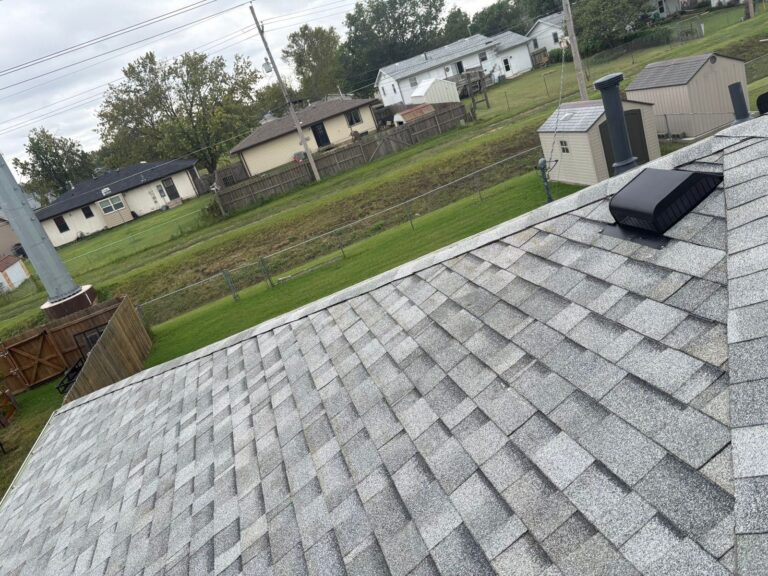
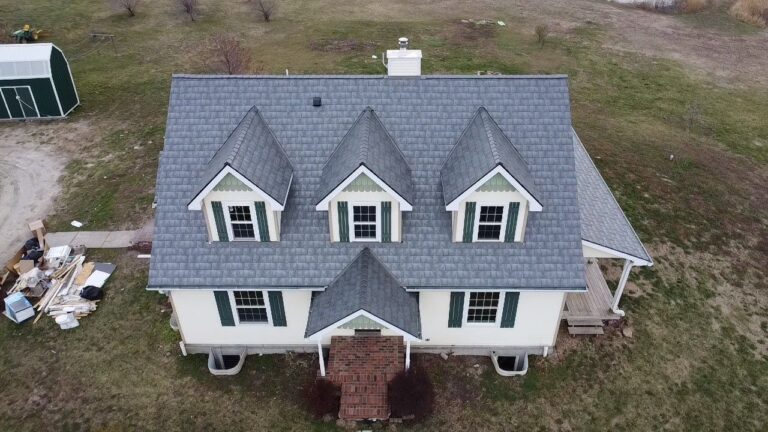
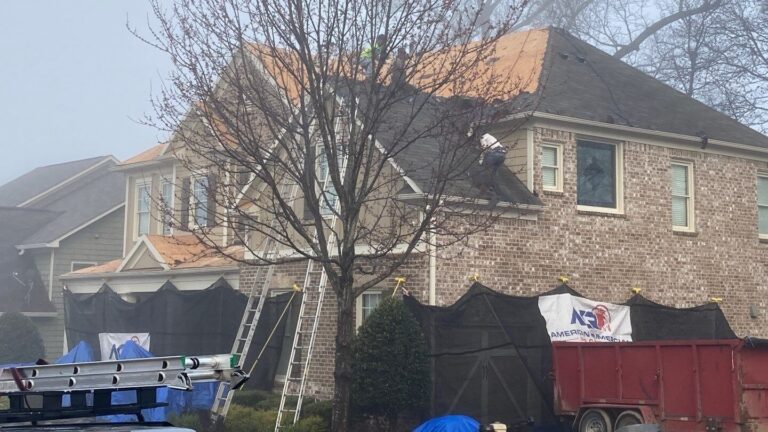
Recent inspections and the work that followed
Frequently asked questions
Is the inspection really free?
Yes, for commercial and residential properties in our Kansas and Georgia service areas, with no obligation. You keep the photos and the report whether or not you hire us.
How long does an inspection take?
Usually one to two hours for a typical commercial roof, longer for large roofs or ones crowded with equipment. You will have the written report shortly after.
Do I need to be there?
No, as long as we can get roof access. Most property managers have us send the report and walk through it by phone.
Will you inspect after a hailstorm for an insurance claim?
Yes, and that is the right time to call. Damage is easiest to document soon after the storm, and carriers can deny late claims. See hail damage.
Free inspections in: Kansas City · Topeka & NE Kansas · Metro Atlanta