
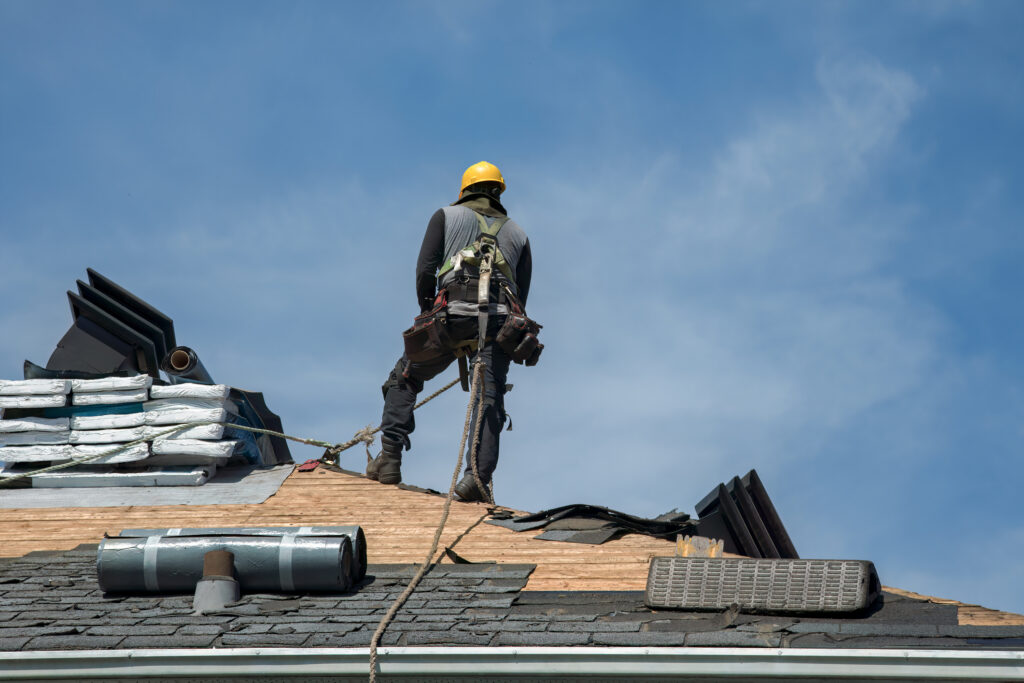
If you own or manage a commercial building in Atlanta or Kansas City, few decisions hit your budget harder than what to do with an aging roof. Once you spot ponding water, worn seams, or that first leak over the warehouse floor, the clock starts ticking — and so does the pressure to make an expensive call. The two options usually on the table are a roof coating (restoration) or a full roof replacement (tear-off). They can differ in price by a factor of five, and the right choice depends heavily on the condition of your roof and the climate it has to survive.
This guide breaks down the real numbers, the lifespan trade-offs, the tax implications, and how each option performs in the Georgia and Kansas weather that American Commercial Roofing works in every day.
The short answer
For most structurally sound commercial roofs, a coating saves you significantly more money — often 40% to 70% versus a full replacement — while extending the roof’s service life by 10 to 20 years. A replacement becomes the smarter investment when the roof deck is wet, the insulation is saturated, or the membrane has failed beyond what a coating can restore.
The trick is knowing which situation you’re actually in. That’s where a professional inspection matters, and it’s why we offer a free estimate before you commit a dime.
What each option actually is
A roof coating is a fluid-applied membrane — typically silicone, acrylic, polyurethane, or elastomeric — sprayed or rolled over your existing roof. It seals seams and small penetrations, reflects sunlight, and adds a fresh waterproof layer on top of the roof you already own. There’s no tear-off, no exposed deck, and usually no interruption to the business operating below.
A full replacement means removing the existing roof system down to the deck and installing a brand-new membrane, insulation, and flashing. It’s the right move when the underlying structure is compromised, but it’s also the most disruptive and expensive path.
The cost comparison: coating vs. replacement
Here’s where the gap becomes obvious. Current 2026 pricing for commercial work lands roughly like this:
- Roof coating: about $1.50 to $5.50 per square foot installed, depending on the coating type. Acrylic tends to be the most affordable, while silicone and polyurethane cost a bit more but hold up better against ponding water.
- Full replacement: roughly $7.50 to $16.00 per square foot, depending on the membrane, insulation, and how much of the old system has to be hauled away.
Put that on a real building. A 40,000-square-foot commercial roof might run:
- Coating: roughly $60,000 to $220,000
- Replacement: roughly $300,000 to $640,000
Even at the high end, coating typically comes in at half the cost of replacement or less — a savings of 40% to 70% on the upfront number. For a building owner watching cash flow, that difference can be the deciding factor.
Don’t forget the 20-year picture
A coating isn’t permanent. Most systems need to be recoated every 10 to 15 years to stay under warranty and keep performing. The good news: a recoat is far cheaper than the first application because the prep work is already done. In many cases the roof is simply pressure-washed and given a fresh top coat, which can also renew the manufacturer’s warranty.
So even across a 20-year horizon — first coat plus one recoat — a restoration approach usually stays well below the cost of tearing off and replacing the roof, especially once you factor in the years of life you’re adding without a capital-sized invoice.
Lifespan and performance
A quality coating system installed by a certified applicator can add 10 to 20 years to the life of an existing commercial roof. Silicone coatings in particular resist UV, moisture, and temperature swings, and can be recoated indefinitely as long as the substrate underneath stays sound.
A new roof will obviously last longer on paper — 20 to 30 years or more — but you’re paying full price for that longevity, and you’re paying it all at once. If your existing roof is structurally healthy, a coating lets you capture most of that added life for a fraction of the cost.
The tax angle most owners miss
This is one of the biggest — and most overlooked — differences between the two options.
The IRS generally treats a roof coating as maintenance, which means in most cases you can deduct the full cost in the same year it’s installed. That’s an immediate write-off against this year’s income.
A full roof replacement, by contrast, is usually classified as a capital improvement that must be depreciated over 39 years. You still get the deduction eventually, but it’s spread across nearly four decades instead of hitting your return now.
For many building owners, that timing difference makes coating even more attractive than the sticker price alone suggests. (Every business’s tax situation is different, so confirm the specifics with your accountant — but it’s a conversation worth having before you sign off on a tear-off.)
How the choice plays out in Atlanta
Atlanta’s climate is defined by hot, humid summers, heavy rainfall, and the occasional severe thunderstorm. That combination is tough on flat and low-slope commercial roofs in a few specific ways:
- Relentless heat and UV bake the membrane year-round, accelerating aging and shrinkage.
- Frequent, heavy rain finds every weak seam and pinhole, and ponding water on a low-slope roof can sit for days.
- Humidity keeps roofs damp and encourages mold, algae, and slow-drying moisture.
A reflective coating is a strong fit for Georgia buildings because it bounces solar heat off the roof instead of letting it soak in. That can lower cooling loads and interior temperatures during those long Atlanta summers, while the fresh waterproof layer handles the rain. For a structurally sound Atlanta roof that’s simply aging and leaking at the seams, a silicone or reflective coating often solves the problem at a fraction of replacement cost.
If, however, an inspection turns up saturated insulation from years of undetected leaks — common on older Atlanta buildings that have weathered a lot of storms — a coating would just trap that moisture. In that case, replacement is the honest recommendation.
How the choice plays out in Kansas City
Kansas City throws a harder set of conditions at a roof: hot, humid summers; cold winters with snow and ice; large day-to-night temperature swings; and a real risk of hail and severe storms.
That thermal cycling is the quiet killer. When a roof heats up sharply during the day and drops below freezing at night, the membrane expands and contracts constantly, which stresses seams and flashings and opens up leaks over time. Add hail — which can bruise or puncture a membrane in a single storm — and Kansas City roofs tend to age faster than their Atlanta counterparts.
Here, coating choice matters. A flexible, elastomeric or silicone coating moves with the roof through those freeze-thaw cycles instead of cracking, and it re-seals the seams and penetrations that KC’s temperature swings tend to pull apart. A reflective coating still helps with the summer heat, too.
But Kansas City is also the market where a coating gets ruled out more often, because hail damage and trapped winter moisture can compromise a roof beyond restoration. If the membrane is punctured in multiple spots or the deck has taken on water, replacement is the durable fix. This is exactly why a hands-on inspection — not a guess — should drive the decision in the KC market.
So which one saves you more?
Line it all up and the pattern is clear:
- If your roof is structurally sound — the deck is dry, the insulation isn’t saturated, and the damage is limited to seams, UV wear, and minor leaks — a coating almost always saves you more. You’ll spend 40% to 70% less upfront, likely deduct it this year, add a decade or two of life, and cut cooling costs in both Atlanta and Kansas City summers.
- If your roof has widespread membrane failure, wet insulation, structural issues, or heavy hail damage, a coating would only postpone a bigger problem. Replacement costs more, but it’s the choice that actually protects the building — and every dollar you’d have spent coating a failed roof would be wasted.
The honest truth is that the roof itself decides. The only way to know which category yours falls into is a professional inspection by a team that knows both markets.
Get a straight answer — free
American Commercial Roofing inspects, coats, and replaces commercial roofs across the Atlanta, GA and Kansas City metro areas. We’ll tell you honestly whether your roof is a coating candidate or genuinely needs replacement — no upsell, no pressure — and show you the numbers for both.
Ready to find out which option saves you more? Request your free estimate or contact us today, and we’ll get a certified inspector on your roof.