
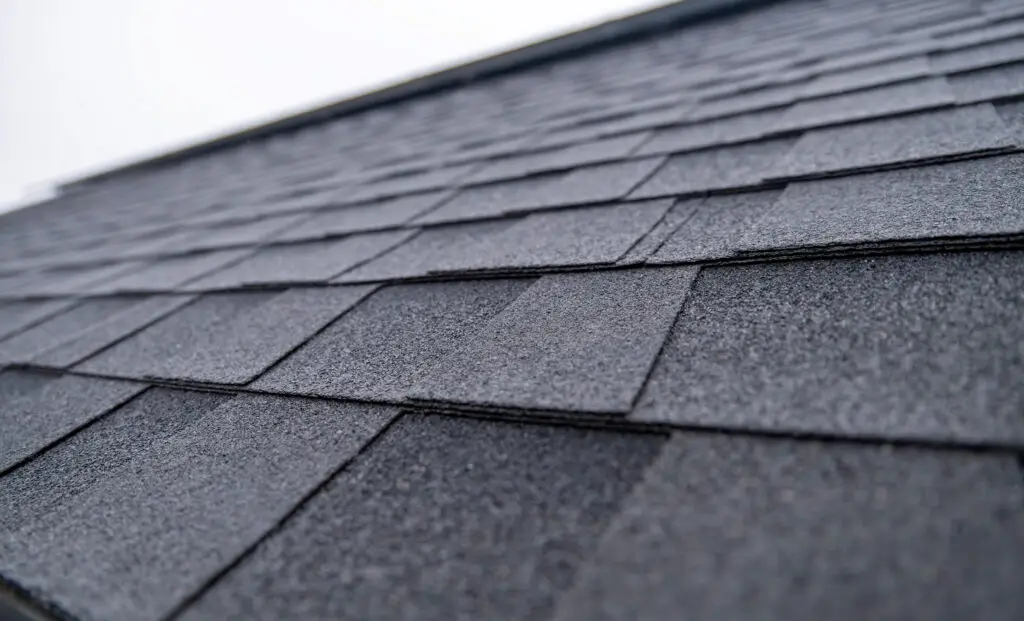
If you own a home anywhere in the Atlanta metro, a new roof is one of the largest single investments you’ll make in the property — and one of the hardest to get a straight answer on. Quotes from different contractors can swing by thousands of dollars for what looks like the same job, and online calculators rarely account for what’s actually happening on your roof. This guide breaks down what residential roof replacement really costs across metro Atlanta in 2026, what drives those numbers up or down, and how prices shift from one suburb to the next so you can budget with confidence before you ever schedule an estimate.
What Does a Roof Replacement Cost in Metro Atlanta?
For most homes across the Atlanta metro, a full residential roof replacement runs between $8,000 and $20,000 in 2026. A typical single-family home with around 2,000 square feet of roof area lands right in the middle — most homeowners pay somewhere between $12,000 and $16,000 for a quality architectural shingle roof installed correctly.
On a per-square-foot basis, expect roughly $4.50 to $11.00 per square foot installed, depending heavily on the material you choose and the condition of your existing roof. That range exists for a reason: a simple, single-story ranch with one layer of old asphalt to tear off sits at the low end, while a steep, multi-story home with several layers, complex valleys, and an upgrade to premium materials pushes toward the top.
Here’s a realistic look at how cost scales with roof size for a standard architectural shingle replacement in the metro:
| Approx. Roof Size | Home Type | Typical Installed Cost (2026) |
|---|---|---|
| 1,200 sq ft | Smaller ranch / bungalow | $6,500 – $11,000 |
| 1,800 sq ft | Mid-size single-story | $9,500 – $15,500 |
| 2,400 sq ft | Two-story family home | $12,000 – $19,000 |
| 3,200 sq ft | Larger / complex roofline | $16,000 – $26,000+ |
One important note: roofers measure in “squares,” not square feet. One roofing square equals 100 square feet of roof surface. Your roof’s surface area is also larger than your home’s footprint because of pitch and overhangs, which is why a 2,000-square-foot house often has 2,200 to 2,600 square feet of actual roof to cover.
Cost by Roofing Material
Material is the single biggest lever on your final price. Here’s how the most common residential options compare in the Atlanta market, priced per square foot installed.
| Material | Installed Cost / sq ft | Typical Lifespan | Best For |
|---|---|---|---|
| 3-Tab Asphalt Shingles | $3.50 – $5.00 | 15 – 20 years | Budget replacements, rentals |
| Architectural (Dimensional) Shingles | $4.50 – $7.50 | 25 – 30 years | Most metro Atlanta homes |
| Impact-Resistant Shingles | $5.50 – $9.00 | 30+ years | Hail-prone areas, insurance savings |
| Standing Seam Metal | $9.00 – $16.00 | 40 – 70 years | Long-term owners, energy savings |
| Premium (slate, tile, synthetic) | $12.00 – $20.00+ | 50+ years | High-end and historic homes |
Architectural shingles are the sweet spot for the vast majority of Atlanta-area homeowners. They cost only modestly more than basic 3-tab shingles but last considerably longer and stand up far better to the wind and hail that roll through Georgia each spring and summer.
Impact-resistant and “hail-proof” options are worth a serious look if you live in one of the metro’s hail corridors. They carry a higher upfront cost, but many Georgia insurers offer premium discounts for Class 4 impact-rated roofing, and the added durability means you’re far less likely to be back in the claims process after the next storm.
Metal roofing costs two to three times more than asphalt up front, but it can last 40 to 70 years and reduce summer cooling costs by 10 to 25 percent — a meaningful factor in Georgia’s long, hot summers. For homeowners who plan to stay put for decades, the lifetime math often favors metal.
What Drives Your Price Up or Down
Two identical-looking homes can receive very different quotes. These are the factors that explain the gap:
- Roof size and pitch. Bigger roofs cost more, and steeper ones cost more still. Once a roof’s pitch passes 8/12, crews need extra safety equipment and work more slowly, adding 15 to 30 percent to labor. Very steep roofs can nearly double labor time.
- Tear-off and number of layers. Stripping the old roof typically runs $1 to $5 per square foot. Georgia code allows a maximum of two roofing layers, so if your home already has two, everything must come off — which adds cost.
- Decking and structural repairs. Rotted or damaged plywood decking discovered during tear-off has to be replaced, and that’s rarely visible in an initial estimate.
- Accessibility and complexity. Multiple valleys, dormers, skylights, chimneys, and steep multi-story access all add labor and flashing work.
- Material choice. As the table above shows, this can more than triple your per-square-foot cost.
- Permits. Most metro jurisdictions require a permit for a full replacement. In the City of Atlanta, re-roofing permit fees often start around $175 to $360, with surrounding counties varying.
- Labor rates. Labor accounts for 40 to 60 percent of a roofing project. Metro Atlanta crews generally charge $75 to $95 per hour — higher than rural Georgia.
Why Costs Vary Across the Atlanta Metro
“Metro Atlanta” covers a lot of ground, and roofing prices aren’t uniform across it. Higher-demand, higher-cost-of-living suburbs typically run 15 to 25 percent above rural Georgia averages, driven by labor costs, permitting, and sheer demand. Here’s roughly how it breaks down by area:
- North Fulton & Forsyth (Alpharetta, Johns Creek, Roswell, Milton, Cumming) — among the highest in the metro, with larger homes and premium material demand pushing averages up.
- Cobb County (Marietta, Smyrna, Kennesaw, East Cobb) — strong demand and a mix of older and newer housing stock keep prices on the higher side.
- North DeKalb (Dunwoody, Sandy Springs, Brookhaven, Decatur) — established neighborhoods, steep and complex rooflines, and high labor rates.
- Gwinnett County (Duluth, Lawrenceville, Suwanee, Snellville) — generally mid-range pricing with strong availability of contractors.
- South & West Metro (Douglasville, Newnan, McDonough, Stockbridge) — typically the most budget-friendly corners of the metro.
The takeaway: a $14,000 roof in Marietta or Alpharetta might be quoted at $11,500 for the same home in Douglasville. When you compare bids, make sure you’re comparing identical scopes of work — not just bottom-line numbers — because the cheapest quote often leaves out tear-off, decking, or proper underlayment.
Storm Damage, Insurance, and Financing
Georgia’s climate is hard on roofs. Spring and summer thunderstorms regularly produce golf-ball-sized hail that cracks shingles and dents flashing, high winds lift and tear shingles, and temperatures routinely above 95°F accelerate granule loss and cracking. Most asphalt roofs in the metro have a functional lifespan of just 15 to 20 years — and many homeowners don’t realize their roof has failed until water damage shows up inside the house.
That climate reality also shapes how you pay for a replacement. If recent storms have damaged your roof, a significant portion — sometimes the majority — of your replacement may be covered by your homeowner’s insurance, leaving you responsible for your deductible. A reputable contractor will inspect for storm damage and document it properly before you file, so you know whether a claim makes sense.
If the project is out of pocket, financing can spread the cost into manageable monthly payments rather than a single large bill. The point is that the sticker price isn’t always what you’ll actually pay — and understanding your insurance and financing options is a key part of making a smart decision.
How to Get an Accurate Number for Your Home
Every range in this guide is a starting point. The only way to know what your roof will actually cost is to have it measured and inspected in person. A thorough estimate accounts for your exact roof size and pitch, the number of existing layers, the condition of your decking, the complexity of your roofline, and the material you want — none of which a calculator can see.
When you collect estimates, look for a contractor who shows up on time, communicates clearly, itemizes the full scope of work, and backs their installation. That’s exactly what homeowners across the Atlanta metro have gotten from American Commercial Roofing for over three decades. We spec roofing systems built to hold up in Georgia conditions — from quality architectural shingles to impact-resistant and hail-proof options — and we price the job honestly, with no surprises after the tear-off begins.
Frequently Asked Questions
How long does a roof replacement take in metro Atlanta?
Most residential replacements are completed in one to three days, depending on the size and complexity of the roof and the weather. Larger homes or premium materials like metal may take longer.
Is it cheaper to repair or replace my roof?
If your roof is under 15 years old with isolated damage, a repair is usually the smarter spend. But if it’s near the end of its lifespan, has widespread storm damage, or is already on its second layer, replacement almost always costs less over time than repeated patch jobs.
Will a new roof lower my insurance or energy bills?
Often, yes. Many Georgia insurers discount premiums for Class 4 impact-resistant roofing, and reflective or metal roofing can cut summer cooling costs by 10 to 25 percent.
Do I need a permit to replace my roof?
In most metro Atlanta jurisdictions, yes — a full replacement requires a permit. A licensed contractor handles this for you and ensures the work meets local building code.
Ready to Know Exactly What Your Roof Will Cost?
At American Commercial Roofing, we’ve helped homeowners across Atlanta and its surrounding communities — from Marietta and Alpharetta to Decatur, Roswell, and beyond — replace their roofs with honest pricing and clear communication from start to finish. The best way to get an accurate number is a free, no-pressure consultation.
We’ll inspect your current roof, walk you through your material and financing options, and give you a detailed estimate built around your home — not a generic calculator.
No pressure. No obligation. Just an honest conversation about what your roof needs — and what it will cost.