
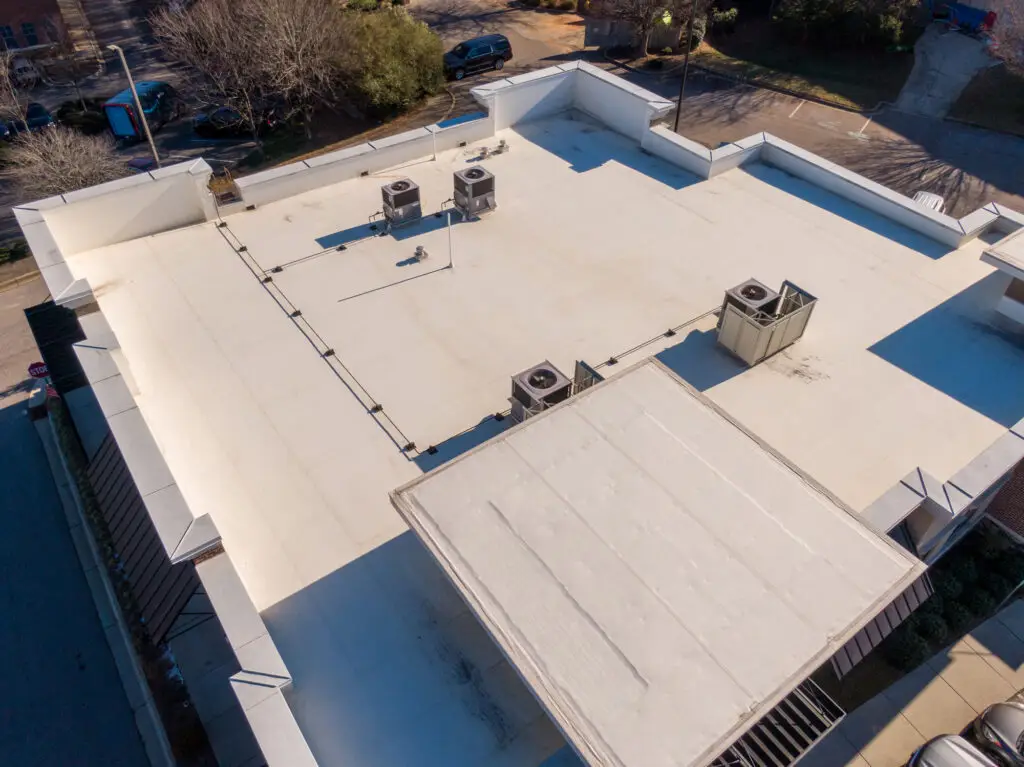
If your building’s roof has reached the end of its service life, understanding the commercial roof replacement process can help you plan ahead, minimize disruptions, and make confident decisions. Whether you manage a warehouse, office building, retail center, or industrial facility, knowing what to expect at every stage ensures the project runs smoothly from start to finish.
Step 1: Initial Roof Inspection and Assessment
Every commercial roof replacement process begins with a thorough inspection. A qualified roofing contractor will evaluate the current condition of your roof, checking for signs of deterioration such as ponding water, membrane damage, flashing failures, and compromised insulation. This assessment determines whether a full replacement is necessary or if repairs or a roof overlay could extend its life.
During this phase, the contractor will also examine the roof deck and structural supports to ensure they can handle the new roofing system. Expect detailed documentation, including photos and measurements, that will be used to develop your project proposal.
Step 2: Choosing the Right Roofing System
Once the inspection is complete, your contractor will recommend roofing systems suited to your building’s needs, budget, and local climate. Common commercial roofing options include TPO, EPDM, PVC membranes, built-up roofing (BUR), and modified bitumen. Each system offers different benefits in terms of energy efficiency, durability, and cost.
Your roofing partner should walk you through the pros and cons of each option so you can make an informed decision. Factors like warranty length, maintenance requirements, and long-term performance should all be part of the conversation.
Step 3: Project Planning and Scheduling
Before any work begins, you will receive a detailed project timeline and scope of work. The commercial roof replacement process requires careful coordination to minimize impact on your daily operations. Your contractor should communicate clearly about expected start and completion dates, work hours, noise levels, and any areas of the building that may be temporarily affected.
Permits and material procurement are handled during this phase as well. A reputable roofing company will secure all necessary permits and ensure materials are ordered and staged well in advance to avoid delays.
Step 4: Tear-Off of the Existing Roof
On the scheduled start date, the crew will begin removing the existing roofing materials. This tear-off process involves stripping away the old membrane, insulation, and any damaged decking. Debris is collected and disposed of responsibly, and the exposed roof deck is inspected for any hidden damage that needs to be addressed before the new system is installed.
Safety is a top priority during tear-off. Professional crews follow strict OSHA guidelines and use proper fall protection equipment to protect both workers and building occupants.
Step 5: Deck Repairs and Preparation
With the old roof removed, the contractor will make any necessary repairs to the roof deck. This may include replacing damaged sections of decking, reinforcing structural supports, or correcting drainage issues. Proper deck preparation is critical because it provides the foundation for your new roofing system and directly affects its performance and longevity.
Step 6: Installation of the New Roofing System
This is the core of the commercial roof replacement process. The installation typically follows this sequence: a vapor barrier is laid down first, followed by rigid insulation boards, and then the new roofing membrane. Seams are welded or adhered depending on the system, and flashing is installed around penetrations like HVAC units, vents, and skylights.
Quality workmanship during installation is what separates a roof that lasts 20-plus years from one that develops problems early. Experienced installers follow manufacturer specifications precisely to maintain warranty coverage and ensure peak performance.
Step 7: Final Inspection and Quality Assurance
After installation is complete, the roofing contractor will perform a comprehensive final inspection. This includes checking all seams, flashing details, and drainage points to confirm everything meets manufacturer standards and local building codes. Many projects also require a third-party inspection before the warranty is activated.
You should receive a detailed closeout package that includes warranty documentation, maintenance recommendations, and as-built drawings of your new roof system.
How Long Does a Commercial Roof Replacement Take?
The timeline for a commercial roof replacement depends on several factors, including the size of the roof, the complexity of the system, weather conditions, and the condition of the existing deck. Most projects range from one to three weeks for average-sized commercial buildings, though larger or more complex jobs may take longer.
Your contractor should provide a realistic timeline upfront and keep you updated on progress throughout the project.
Ready to Start Your Commercial Roof Replacement?
A well-executed commercial roof replacement protects your building, your inventory, and your business for decades to come. At American Commercial Roofing, we guide property owners and facility managers through every step of the process with transparent communication, expert craftsmanship, and industry-leading warranties.
Contact us today to schedule your free roof inspection and get a detailed proposal for your commercial roof replacement.